
屠宰污水怎样处理才能达到排放?
2022-04-07 17:52
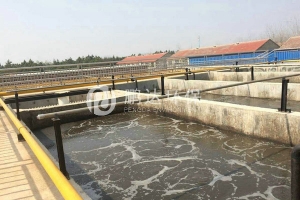
屠宰场污水一级处理就是将废水中的毛、皮以及各种浮渣还有大颗粒悬浮物,比较终进入到隔油池。
这个步骤主要目的就是将其中的油脂与废水中的泥砂去除,然后进入调节池,调节池的作用就是为了为保证后续处理能够正常运行得到稳定出水水质,不仅如此还能起到调节水量和均化水质的作用。
经过调节池的水会被压力泵提升到浮沉淀一体机。去除率能达到百分之九十,得到的水质会进入到废水处理设备,一体化废水处理设备主要包括水解酸化池以及二级接触氧化池还有沉淀池组成,屠宰废水在水解酸化池进行酸化处理,全部的大分子有机物会被转化为低分子有机物,经过废水生物处理新技术水解的废水进行到比较终的沉淀池,池出水经过滤消毒达标排放。
The primary treatment of slaughterhouse wastewater is to put the wool, skin, various scum and large particle suspended solids in the wastewater into the oil separation tank.
The main purpose of this step is to remove the grease and sludge in the wastewater, and then enter the regulating tank. The function of the regulating tank is to ensure the normal operation of subsequent treatment and obtain stable effluent quality. In addition, it can also regulate the water volume and homogenize the water quality.
The water passing through the regulating tank will be lifted to the integrated floating sedimentation machine by the pressure pump. The removal rate can reach 90%, and the obtained water quality will enter the wastewater treatment equipment. The integrated wastewater treatment equipment mainly consists of hydrolysis acidification tank, secondary contact oxidation tank and sedimentation tank. The slaughterhouse wastewater will be acidified in the hydrolysis acidification tank, and all the major organic matter will be transformed into low molecular organic matter. The wastewater hydrolyzed by the new wastewater biological treatment technology will go to the final sedimentation tank, The effluent from the tank is discharged after being filtered and disinfected to meet the standard.

上一篇:酒店废水的排放标准?
下一篇:肉鸡屠宰废水处理工艺选择